
The Problem with Rationalizing Shortcuts
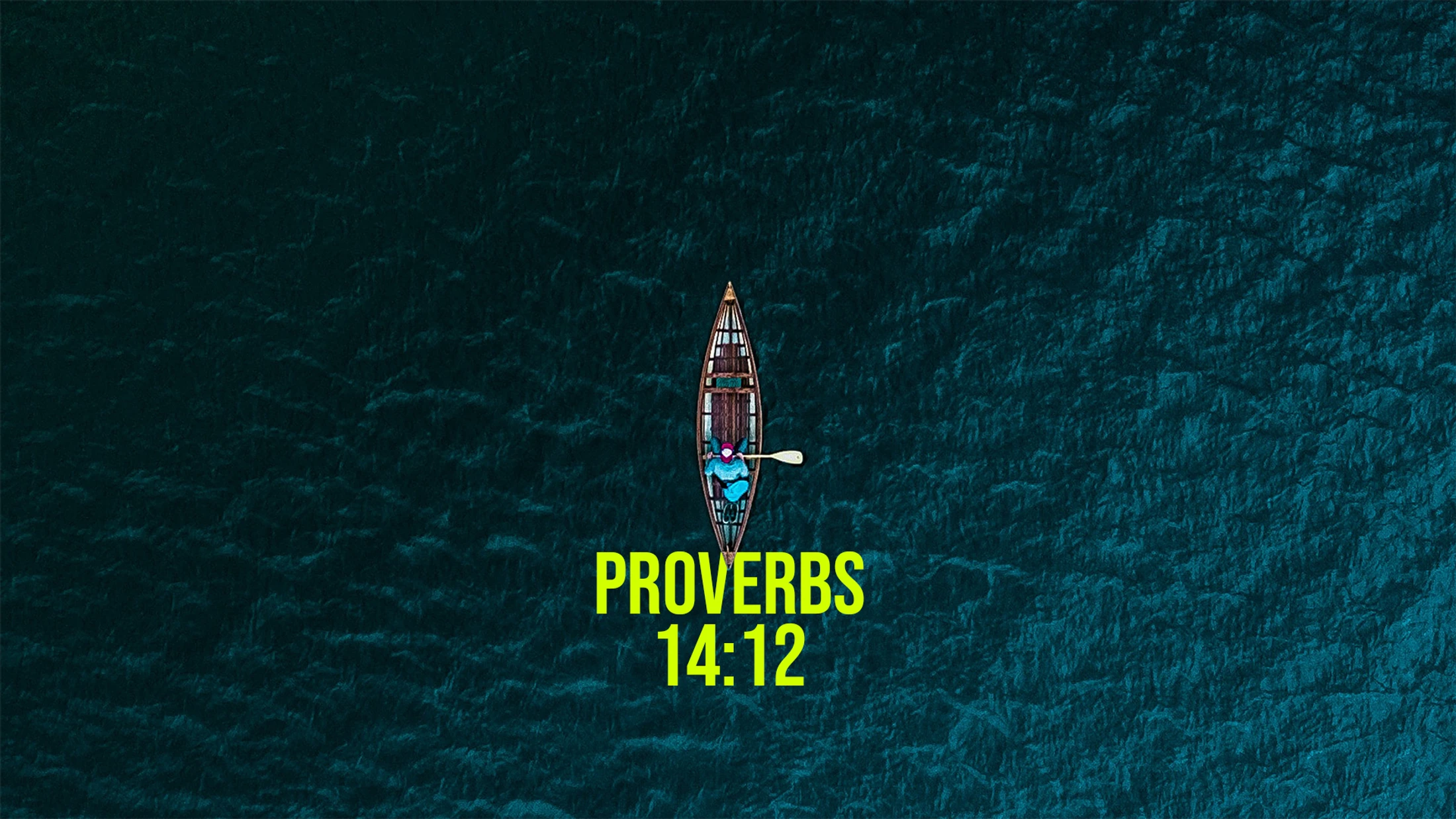
Have you ever gotten instructions so clear, you confidently decided to do the exact opposite? During a safety briefing at Camp Rudolph’s Wilderness Adventure, our guide said, “When approaching rapids in a canoe, steady paddling is key. Don’t try to fly through them.” Naturally, I interpreted this as, “If a little speed is good, warp speed is surely better!” So we hit those rapids like we were in an Olympic event, paddles blazing. Spoiler alert: it didn't go well. Turns out, submerged rocks don’t move, no matter how fast you're going. We slammed into one hiding under the water, spun around like a carnival ride, and before we knew it, the canoe took on water faster than my savings disappear during a Target trip with my wife. Our lunch cooler went from pristine picnic to swamp-water stew in seconds. Watching our sandwiches float downstream, I realized this probably wasn’t the "shortcut" we had in mind.
Proverbs 14:12 warns, “There is a way that appears to be right, but in the end it leads to death.” It’s easy to rationalize shortcuts or disregard wise counsel because our way seems quicker, smarter, or more appealing. But like our canoe fiasco, those decisions often lead us into trouble, leaving us to clean up messes we never anticipated.
Recently, we’ve explored how David overcame impossible enemies. First, Goliath—a towering external threat. Then, Saul—an internal threat from among God’s own people. But this week, we'll uncover the most dangerous of the enemies David will face.
Join us this weekend as we continue our journey through David’s life—Shepherd, Warrior, King—and discover the wisdom God offers for overcoming not only obvious external threats but also subtle internal struggles. Sometimes the greatest victories come not from conquering giants out there but from mastering the battles within.
Grace & Peace,
Nathan Lawson